
From Waste to Resource: How Modern Wastewater Treatment Powers Circular Economies

In today’s world, where sustainability is imperative, the transformation of wastewater from a discarded byproduct into a valuable resource is central to the circular economy. Modern wastewater treatment transcends traditional environmental protection; it unlocks new economic value, reduces reliance on freshwater, and fosters closed-loop systems that benefit individuals, businesses, and the planet. This paradigm shift is evident as wastewater treatment facilities evolve from mere sanitation centers into resource recovery hubs. Advanced waste water treatment technology now enables the extraction of clean water, nutrients, and energy from wastewater. For instance, biogas production from sewage sludge not only provides a renewable energy source but also contributes to energy self-sufficiency in treatment plants . Embracing these innovations not only addresses environmental concerns but also presents economic opportunities. By viewing wastewater as a resource, we can create resilient systems that support sustainable development and economic growth. Rethinking Wastewater: The Circular Approach Traditional consumption models have long adhered to a linear trajectory: extract resources, utilize them, and then dispose of the waste. However, escalating environmental concerns and increasing water scarcity are compelling a transition towards circular systems. In the realm of wastewater treatment, this paradigm shift involves reimagining used water not as mere waste but as a reservoir of untapped potential – offering opportunities to reclaim water, recover nutrients, and generate energy. In India, this transformation is particularly pressing. According to the Down to Earth article,the nation generates approximately 72,000 million liters per day (MLD) of sewage, yet only about 28% undergoes treatment, leaving a staggering 72% untreated and often discharged into natural water bodies. This untreated wastewater contributes to the pollution of rivers, lakes, and groundwater, exacerbating the country’s water crisis. The challenges are further intensified by rapid urbanization and industrialization, which place immense stress on existing water resources. Urban centers like Delhi, Bengaluru, and Chennai are already grappling with acute water shortages, relying heavily on distant sources and overexploited groundwater reserves . In this context, waste water treatment in India emerges as a critical component of sustainable development, offering a pathway to alleviate water scarcity, protect public health, and support economic growth. Embracing a circular approach to wastewater management not only addresses environmental concerns but also unlocks economic opportunities. By investing in advanced waste water treatment technologies, India can reclaim valuable resources, reduce dependency on freshwater sources, and build resilient communities equipped to face the challenges of the future. Technologies Turning Wastewater into Value Today’s waste water treatment technology is transforming how we think about and use water. These solutions are efficient, cost-effective, and capable of delivering high-quality treated water suitable for reuse in various sectors. These technologies support not just environmental goals but also economic ones – by reducing the cost of freshwater procurement and creating opportunities for energy and nutrient recovery. The Economic Rationale for Circular Wastewater Management Shifting to circular practices in wastewater treatment offers substantial economic gains. Globally, A The National article, circular economy initiatives could add $4.5 trillion to GDP by 2030. As per The Economic Times for India, embracing circularity in water and waste sectors is expected to create over $2 trillion in economic benefits and nearly 10 million new jobs by 2050. For industries, reclaiming and reusing water can significantly reduce operational costs and reliance on freshwater sources, especially in water-stressed regions. Furthermore, governments are encouraging this shift. India’s regulatory landscape – through acts like the Plastic Waste Management Rules and Circular Economy Action Plans is pushing municipalities and industries to rethink their approach to waste and water. Digitalization, Innovation, and Stakeholder Participation The role of digital technology in waste water treatment technology cannot be understated. Automation, real-time monitoring, and predictive analytics are streamlining operations, reducing energy usage, and optimizing performance. These innovations are crucial to scale wastewater reuse and resource recovery efforts. Equally important is stakeholder engagement. From businesses investing in sustainable systems to communities learning about water reuse, awareness and participation amplify the impact of circular wastewater solutions. Organizational culture also matters. Companies that embed sustainability into their operations – from discouraging single-use resources to implementing in-house water recycling – see long-term benefits not just in ESG metrics but also in cost savings and brand equity. Conclusion As climate challenges and resource constraints intensify, the case for modern wastewater treatment has never been stronger. It’s no longer just an environmental obligation – it’s an economic and operational opportunity. With forward-thinking companies like SFC Environmental Technologies leading the way, and with continued innovation and collaboration, wastewater can be transformed from an overlooked burden into a cornerstone of the circular economy. SFC Environmental Technologies, based in India, exemplifies how circular economy principles can be applied through innovative waste water treatment technology. Their flagship C-Tech SBR system is used across India to treat both domestic sewage and industrial effluents. It delivers high-quality, recyclable water while maintaining a low life cycle cost. What makes SFC’s approach unique is their holistic offering: not just technology, but also design, engineering, equipment supply (including decanters, diffusers, air blowers, fiber disc filters), solar sludge drying systems, and PLC/SCADA-based automation. Their end-to-end solutions help cities and companies transition to sustainable water management models. By supporting municipalities and industries across India, SFC Environmental Technologies is playing a key role in advancing waste water treatment in India and making water reuse a mainstream practice.
Evolution of the Wastewater Industry in India
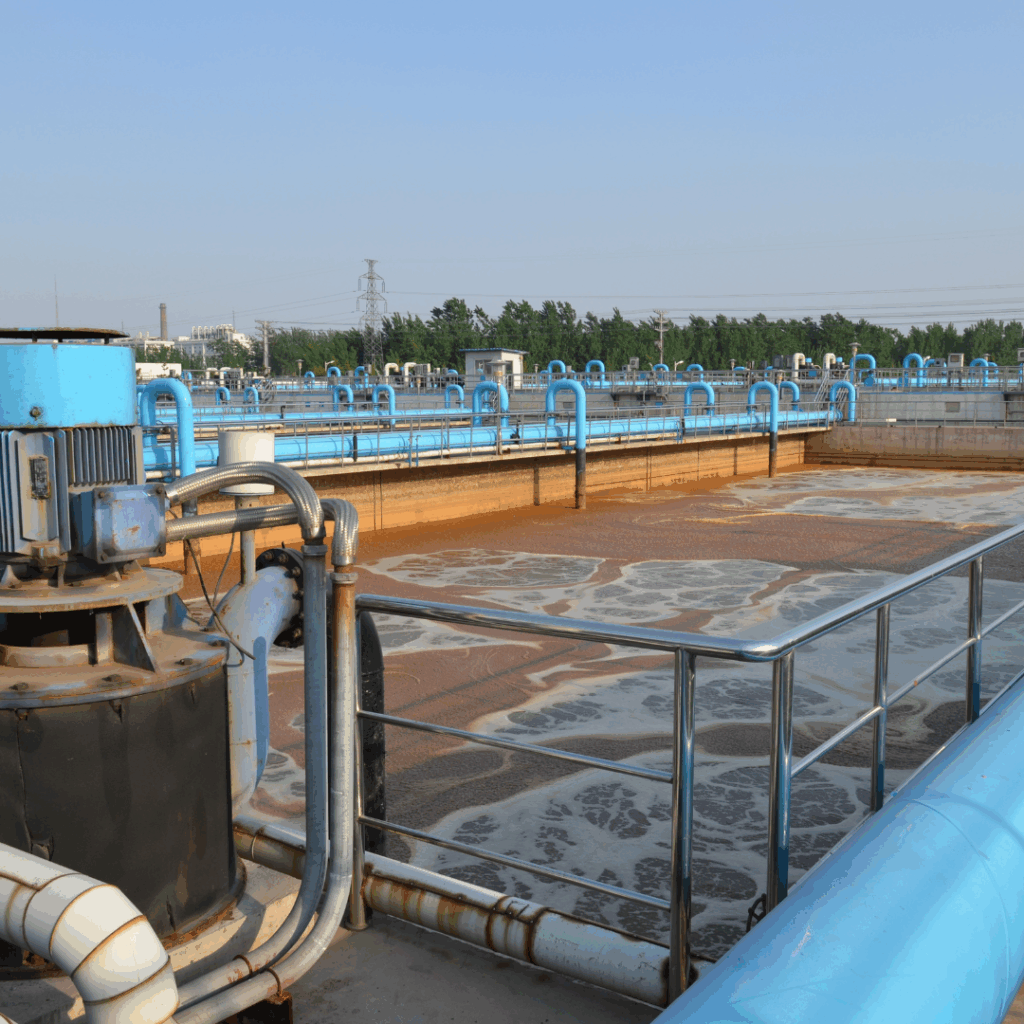
India’s journey in wastewater management reflects its broader socio-economic evolution, transitioning from traditional practices to the adoption of advanced technologies. This progression underscores the nation’s commitment to sustainable development and public health. Early Practices and Challenges Historically, India’s wastewater management relied on natural systems. Communities utilized wetlands, ponds, and rivers for waste disposal, leveraging the environment’s innate capacity to assimilate and treat waste. However, with rapid urbanization and population growth, these natural systems became overwhelmed, leading to pollution and health concerns. Initiation of Structured Wastewater Treatment The mid-20th century marked a pivotal shift as India recognized the need for organized wastewater treatment infrastructure. Urban centers began constructing sewage water treatment plants (STPs) to address the escalating waste generated by burgeoning populations. Despite these efforts, challenges such as inadequate coverage, maintenance issues, and financial constraints persisted, limiting the effectiveness of these early initiatives. Technological Advancements and Modernization In recent decades, India has embraced advanced wastewater treatment technology to enhance efficiency and sustainability: Policy Initiatives and Public Engagement Government initiatives have played a crucial role in shaping the wastewater industry: Public-Private Partnerships and Global Collaborations Recognizing the scale of the challenge, India has fostered collaborations between government bodies, private enterprises, and international organizations: Future Outlook And Conclusion The evolution of wastewater treatment in India is an ongoing process, with several key focus areas: India’s wastewater industry has made significant strides, evolving from rudimentary practices to embracing advanced technologies and innovative solutions. This journey reflects the nation’s dedication to environmental sustainability, public health, and the well-being of its citizens.
Cutting Carbon and Costs: Energy-Efficiency in Wastewater Systems
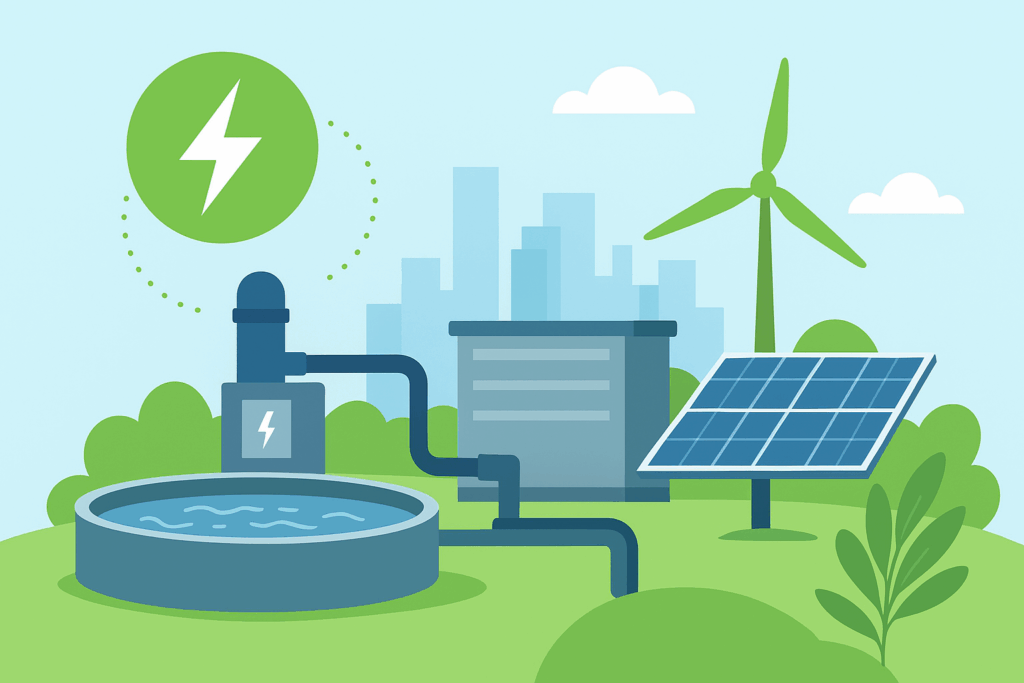
India’s water reality is urgent. With a population of 1.4 billion and growing, rapid urbanisation, and changing rainfall patterns, demand for fresh water is far outstripping natural supply. NITI Aayog – Composite Water Management Index suggested that by 2020, India’s water demand will be twice the available supply, potentially impacting hundreds of millions of people. This reality is pushing cities, industries, and communities to rethink how every drop is treated and reused. Why Energy-Efficiency Matters in Wastewater Treatment Wastewater treatment systems are among the most energy-intensive infrastructures, often consuming up to 60% of a municipality’s electricity costs according to global studies according to the World Bank Water Practice Report. The smarter the process, the lower the power per cubic metre of water treated, and the smaller the carbon footprint. That’s where waste water treatment technology and intelligent engineering deliver value, cutting electricity bills while reducing indirect emissions from grid power. Across waste water treatment in India, leading providers are prioritising technologies that are energy-efficient, compact, and scalable while still maintaining high effluent quality. C-Tech Technology: Redefining Wastewater Treatment Efficiency At the core of this shift is SFC, as a leading Wastewater recycle and Wastewater recycle & reuse Company in India with decades of field experience. heir proprietary C-Tech (Cyclic Activated Sludge Technology) is an advanced Sequencing Batch Reactor (SBR)-based wastewater treatment process, designed for maximum efficiency, reliability, and sustainability. It is globally recognized as one of the most effective solutions for wastewater recycle and reuse, enabling cities, industries, and communities to manage water responsibly. Key features of C-Tech: For organisations evaluating sewage water treatment plants, this translates into lower lifecycle costs and shorter payback periods. How C-Tech Cuts Carbon and Costs Traditional systems are often energy intensive, driving up energy bills. By contrast, C-Tech reduces treatment time through smart cycle management. For example, energy savings can reach 20–30% compared to conventional systems, especially when paired with advanced components like turboblowers and high quality diffusers. The result is direct savings in O&M (operations and maintenance) costs per litre treated, alongside measurable reductions in the carbon footprint. In short, smarter waste water treatment technology equals less carbon and lower costs. Applications Across India Across the country, Advanced Wastewater Treatment Solutions are proving critical in cities, campuses, and industries. Compact sewage water treatment plant designs allow installations in space-constrained areas, while energy savings free up funds for reinvestment in community services or industrial operations. For instance, regions like Goa highlight the importance of locally adapted systems. Tourist-heavy areas face seasonal demand shifts and fragile ecosystems. Here, a water treatment plant in Goa must be compact, low-noise, and efficient, requirements where C-Tech has already been successfully implemented. Beyond Water: Smarter Resource Recovery SFC focuses on Wastewater Treatment with advanced technologies that not only clean water but also recover valuable resources. By enabling wastewater recycling and reuse, these systems create a loop where water is treated, reclaimed, and reintegrated into urban and industrial cycles. This approach enhances resource efficiency, reduces dependency on freshwater, and supports sustainable water management for the future. Conclusion: Cleaner Water, Smaller Bills, Lower Emissions India faces a dual challenge, rising water stress and escalating energy costs. The answer lies in energy-efficient wastewater recycling. With C-Tech, advanced wastewater treatment methods, and a group approach that combines wastewater management, SFC demonstrates how sustainability aligns with fiscal sense. For industries, campuses, and communities, the question is no longer whether to treat wastewater, it’s how efficiently you can do it.
Bridging India’s Wastewater Treatment Gap: How C‑Tech Supports Municipalities
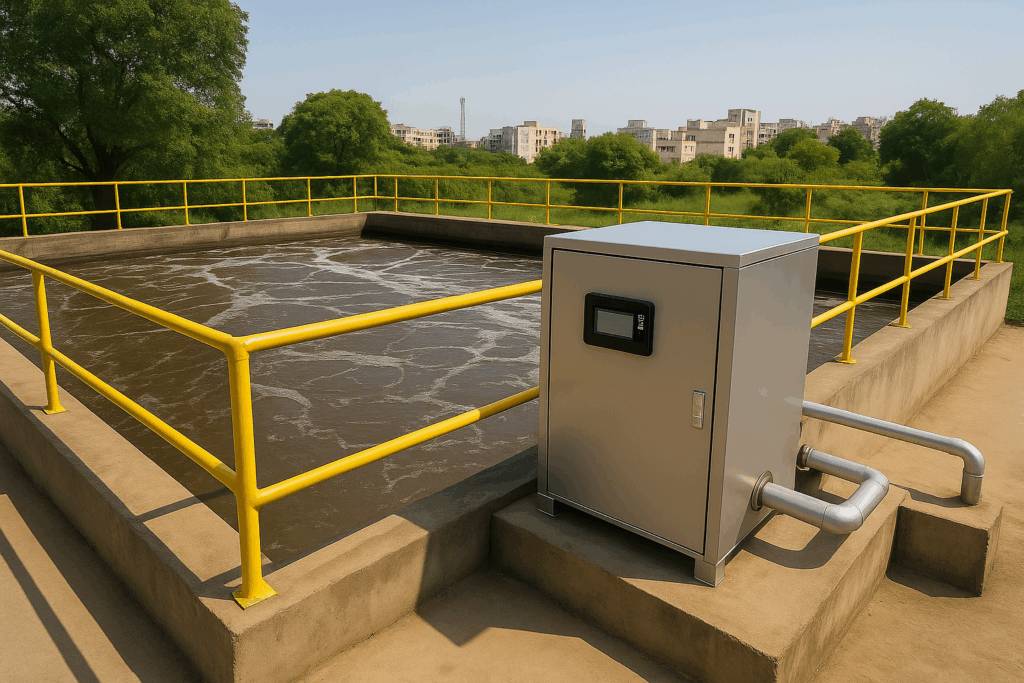
India’s rapid urbanisation has led to a wastewater management crisis. Urban India generates an estimated 72,368 million litres of sewage every day (Niti Aayog), yet only about 28 percent of it is treated. The remainder often flows untreated into rivers, lakes and groundwater reserves, posing severe health and environmental risks. This gap between generation and treatment capacity undermines efforts to ensure safe water, sanitation and hygiene in cities. Understanding the Gap Several factors contribute to India’s wastewater treatment shortfall: Enter C‑Tech – A Next‑Generation Solution SFC developed C‑Tech, a proprietary SBR‑based system that treats sewage and industrial effluents in a single step. The technology integrates primary, secondary processes into one cyclic operation, producing recyclable water with a low life‑cycle cost. Unlike conventional multi-tank systems, C-Tech uses a single basin to fill, aerate, settle, and decant. This compact design saves land and simplifies construction. Key advantages of C‑Tech for municipalities include: C‑Tech’s design and automation are delivered as a complete package – from process engineering and equipment supply (decanters, diffuser system, turbo blowers and fibre disc filters, PLC etc) to installation. These features make it particularly attractive for space‑constrained urban areas and municipal corporations seeking high performance without escalating costs. Scaling Impact Across India SFC has implemented more than 600 C‑Tech projects around the world and holds an impressive 1500 MLD cumulative capacity. demonstrating scalability from small towns to megacities. For municipalities, this track record provides confidence that C‑Tech can be deployed rapidly and reliably. It also means that cities can adopt modular expansions as populations grow, avoiding over‑investment in oversized plants. Policy Alignment & Public–Private Collaboration Government programmes are creating a supportive environment for advanced wastewater treatment solutions. Initiatives such as the Atal Mission for Rejuvenation and Urban Transformation (AMRUT), Swachh Bharat Mission (Urban) and Jal Jeevan Mission fund sewage infrastructure and emphasise reuse of treated water. The Namami Gange Programme targets zero discharge of untreated sewage into the Ganga basin, while National Green Tribunal orders mandate reuse and strict compliance. By pairing these programmes with efficient technologies like C‑Tech, municipalities can maximise funding impacts. Public–Private Partnerships (PPPs) have also proven effective.Technology providers such as SFC Environmental Technologies focus on designing and installing advanced treatment technologies, ensuring efficiency and reliability. Such models relieve municipal agencies of upfront capital costs and transfer operations to experienced O&M firms. Bridging the Gap – The Way Forward Closing India’s wastewater treatment gap requires both systemic reforms and innovative technologies. C‑Tech addresses many of the barriers that have historically hampered wastewater projects: limited space, high energy consumption, variable loads and inconsistent quality. Its high efficiency and automation make it ideal for municipalities seeking to expand capacity without increasing their carbon footprint. By investing in modern technologies, encouraging the reuse of treated water and fostering PPPs, India can transform sewage from an environmental liability into a valuable resource. SFC stands ready to support municipalities on this journey, demonstrating that bridging the gap is not just necessary – it is feasible, scalable and sustainable.
Achieving Zero Liquid Discharge (ZLD): The Crucial Role of Wastewater Treatment
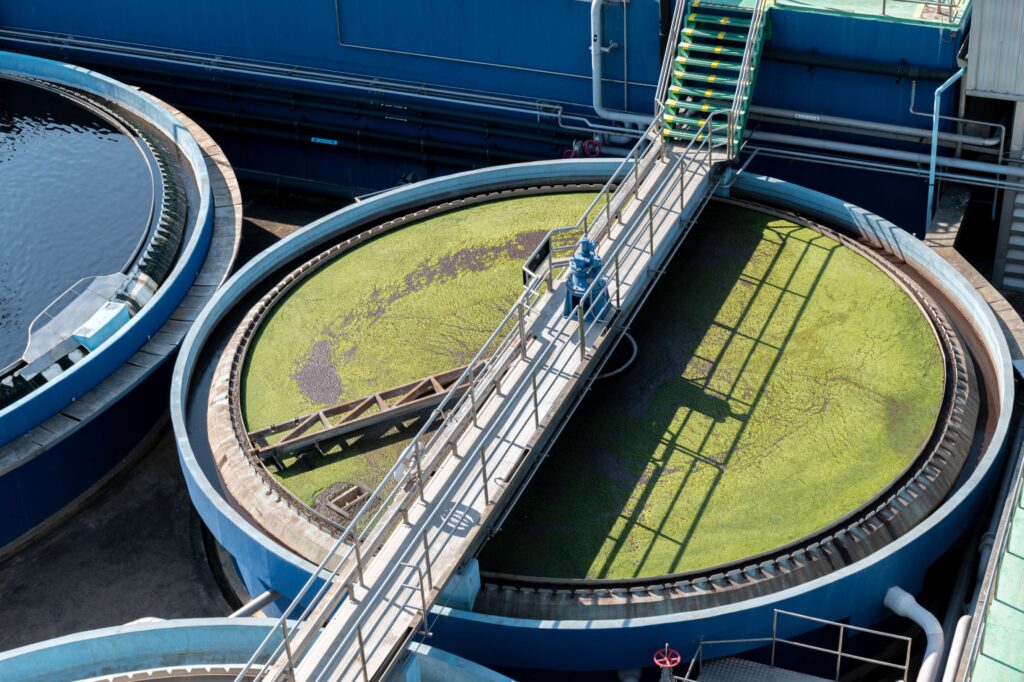
As industries expand and urban populations grow, the demand for clean water is rising at an unsustainable rate. In response, regulatory authorities, environmentalists, and responsible businesses are turning their focus to a transformative goal: Zero Liquid Discharge (ZLD). ZLD is not just an ambitious sustainability benchmark- it is becoming an operational necessity in water-stressed regions, particularly in countries like India. But achieving ZLD is no small feat. It requires a carefully engineered strategy with efficient wastewater treatment methods at its core. In this blog, we’ll explore the significance of ZLD, how wastewater treatment technology enables it, and why it’s especially relevant in the context of wastewater treatment in India. What Is Zero Liquid Discharge (ZLD)? Zero Liquid Discharge refers to a water treatment process in which no liquid waste leaves the boundaries of a facility. All wastewater is treated, recycled, and reused, while solids and other contaminants are extracted for safe disposal or reuse. The result? This goal is especially critical in water-stressed countries like India, where industries are under increasing pressure to reduce their water footprint and comply with environmental mandates. Why ZLD Matters According to the Guardian, globally, water demand is expected to exceed supply by 40% by 2030 if current trends continue, according to a report by the 2030 Water Resources Group. In India, the situation is even more pressing: The drive toward Zero Liquid Discharge is not just an environmental imperative but also a regulatory requirement in many regions. Sectors like textiles, power, pharmaceuticals, and chemicals are increasingly mandated by pollution control boards to implement ZLD systems. The Role of Wastewater Treatment in Achieving ZLD Achieving ZLD requires a holistic, multi-stage approach to water management. This includes: These stages ensure that every drop of water is either reused or transformed into a usable by-product, leaving no liquid waste behind. Challenges in ZLD Implementation While the concept of ZLD is promising, practical implementation presents challenges: Despite these challenges, the right combination of wastewater treatment technology and operational expertise can make ZLD a reality. ZLD and Wastewater Treatment in India India’s unique challenges – ranging from water scarcity to pollution – make it a fertile ground for ZLD adoption. However, the country still has a long way to go: Nevertheless, innovation and public-private partnerships are beginning to drive change. The government’s Namami Gange Mission and the push for Smart Cities include significant investments in modern waste water treatment India infrastructure, creating opportunities for scalable and sustainable ZLD systems. The Road Ahead: Innovation & Integration Modern ZLD systems are increasingly powered by smart technologies and real-time monitoring. Innovations in membrane filtration, energy recovery, and automated process control are making ZLD more efficient and cost-effective. Integrated systems – where energy generation, water recycling, and waste processing work together – are emerging as the future of sustainable industrial ecosystems. These systems don’t just comply with regulation – they create long-term operational resilience and environmental goodwill. How SFC Is Enabling Sustainable Water Futures At SFC Environmental Technologies, we understand that sustainability isn’t a buzzword – it’s a responsibility. Our proprietary C-Tech solution is a proven advanced wastewater treatment solution, designed to efficiently treat and recycle sewage and industrial effluent. With over 300 installations across India and abroad, we help clients across sectors move closer to achieving Zero Liquid Discharge. Our systems are engineered for reliability, scalability, and sustainability – ensuring that treated water meets the most stringent reuse standards. Whether you’re looking to upgrade your plant, reduce your water footprint, or meet compliance standards, we offer end-to-end support for your wastewater treatment needs. Conclusion Zero Liquid Discharge is more than a regulatory requirement; it is a vision for a cleaner, more sustainable future. And with the right strategy, technology, and partners, it is entirely achievable. As water scarcity and pollution continue to escalate, industries must shift from consumption to conservation and wastewater, once a liability, must be seen as an asset. At SFC Environmental Technologies, we understand that sustainability is not a buzzword; it is a responsibility. Our proprietary C-Tech solution is a proven advanced wastewater treatment solution, designed to efficiently treat and recycle sewage and industrial effluent. With over 300 installations across India and abroad, we help clients across sectors move closer to achieving Zero Liquid Discharge. Our systems are engineered for reliability, scalability, and sustainability, ensuring that treated water meets the most stringent reuse standards. Whether you are looking to upgrade your plant, reduce your water footprint, or meet compliance standards, we offer end-to-end support for your wastewater treatment needs. Let us reclaim water, restore balance, and reshape the future together.
SFC to Power 424 MLD STP in Ahmedabad One of the World’s Largest SBR-Based Installations
Back to home SFC to Power 424 MLD STP in Ahmedabad One of the World’s Largest SBR-Based Installations We are proud to share that SFC Environmental Technologies Ltd. has been awarded the technology order for one of the largest Sequencing Batch Reactor (SBR)-based sewage treatment plants in the world—424 MLD capacity, currently under development at Pirana, Ahmedabad, by Larsen & Toubro Limited. The project represents a landmark in scale and strategic urban importance, and further strengthens the leadership of C-Tech®, SFC’s flagship SBR technology, in the Indian and global wastewater treatment space. Setting New Standards in Scale and Efficiency The Pirana STP will deploy our proven C-Tech® SBR platform, trusted across 1,200+ reference orders worldwide. The fully automated biological process integrates aeration, clarification, and sludge stabilization in sequential cycles—offering: High-quality effluent suitable for discharge or reuse Significant power savings over conventional ASP systems Modular scalability and low footprint Simple operation with long-term reliability A Project of Strategic Urban Significance The 424 MLD Pirana STP is being developed under the Gujarat Resilient Cities Partnership Programme (GCRP) with funding support from the World Bank, and executed by Larsen & Toubro Ltd. It is part of Ahmedabad Municipal Corporation’s broader strategy to reduce the discharge of untreated sewage into the Sabarmati River, which currently receives over 600 MLD of untreated flow. Once commissioned, the facility will make a major contribution to river pollution abatement, improved urban hygiene, and public health outcomes for the city. Strengthening Long-Term Partnerships We are honoured to support Larsen & Toubro, one of India’s most respected engineering and construction firms, in delivering a project of this scale. This collaboration underscores SFC’s role as a reliable technology partner—focused on engineering excellence and operational simplicity. Our Commitment to Enable Sustainable Impact At SFC, we remain focused on empowering our customers with advanced, proven, and cost-effective environmental technologies. From C-Tech® SBR systems to new-generation membrane and reuse technologies, we continue to build solutions that are simple to operate, energy efficient, and scalable to the needs of modern cities. The Pirana STP project is not only a milestone for us as a company, but a testament to India’s growing investment in sustainable urban infrastructure. We look forward to delivering this iconic project with the same precision, performance, and partnership that define SFC’s legacy.
From Vision to Reality: SFC’s Manufacturing Journey from Concept to Scale
Back to home From Vision to Reality: SFC’s Manufacturing Journey from Concept to Scale In 2023, SFC Environmental Technologies marked a turning point in its growth story by commissioning its first manufacturing facility—starting modestly at 20,000 sq. ft.. What began as a long-standing vision quickly transformed into a high-velocity expansion: today, just two years later, we operate from a 200,000 sq. ft. facility, with vertically integrated capabilities to produce critical components for C-Tech®-based sewage treatment plants and beyond. For years, our products—decanters, diffusers, and control panels—were sourced from partners across Europe and, later, China. But the aspiration to bring this competence home to India never wavered. It simply needed the right moment. “Manufacturing was always part of the conversation—even during the early days,” says Mahendra Ingale, Head of Manufacturing at SFC. “It remained a shared dream, but it truly came to life only in 2023. Since then, we’ve not only grown in size but in confidence, self-reliance, and capability.” Mahendra Ingale Head of Manufacturing From Sourcing to Self-Reliance Our journey in procurement began with high-spec components sourced from Europe. As global supply chains evolved, we transitioned to reliable Chinese vendors around 2014. Today, we’re proud to say that critical parts like decanters, diffusers, panel systems, and even full assembly units are manufactured in India, with tight control over design, quality, and lead time. This shift isn’t just about localisation. It’s about empowering our customers with consistent, high-quality products, manufactured in a facility that reflects the values of precision, safety, and sustainability. More Than a Factory—A Hub of Innovation What sets our manufacturing apart is not just the expansion in scale—but its strategic purpose. At SFC, manufacturing is not merely about fulfilling orders. It’s about being ready to service future orders before they arrive—through foresight, systems, and a culture of preparedness. Our factory is designed to be a resource-rich, dynamic workspace, where planning and discipline are matched by speed and adaptability. This proactive model has enabled us to reduce turnaround times, accelerate project execution, and build trust among our customers and partners. Innovation Through Cross-Functional Collaboration Many of our most impactful cost optimisation ideas and product improvements have originated from the shop floor—where our manufacturing and supply chain teams collaborate daily to refine designs, test new materials, and find better ways to serve customer needs. The factory also plays a key role in fostering sustainability. Our teams conduct rigorous testing of alternative raw materials to support a shift toward greener inputs, lower embodied carbon, and enhanced durability. Built to Serve, Designed to Scale From a single-product workshop to a multi-line manufacturing ecosystem, the journey so far has been swift—but grounded in vision. Our goal is to create a production platform that is: Ready before it’s required Flexible enough to adapt Robust enough to deliver consistently As we continue to expand, our manufacturing unit remains central to our mission—to deliver technologies that are smart, simple to operate, and built to last. Because behind every great wastewater treatment plant powered by SFC, there’s a team that’s building—not just products—but the future of environmental infrastructure in India.
On the ground, At the core: SFC’s E&C team that powers the last mile
Back to home On the ground, At the core: SFC’s E&C team that powers the last mile In the world of environmental engineering, the true test of a solution lies in its performance on the ground. And no team embodies this better than the Erection & Commissioning (E&C) team at SFC Environmental Technologies. Tasked with activating and operationalizing SFC’s technologies across the country, this 48-member-strong remote team is the invisible yet indispensable force turning design into delivery—one plant at a time. Led by Virendra Rane, the team commissions an average of 80 C-Tech® plants each year, while also overseeing the installation of Fiber Disc Filters, Turbo Blowers, and complete automation systems including PLC and SCADA. Spread across India’s length and breadth, they work on sites in live conditions, under varying terrain, weather, and project timelines—yet remain one of the most united and close-knit teams in the company. More Than Commissioning: The Frontline of Performance The E&C team isn’t just responsible for powering up systems—they serve as the face of SFC at every STP site. Whether it’s fine-tuning the automation platform, troubleshooting unexpected issues, training operators, or supporting customers post-handover, this team is our most visible representative on ground. They go beyond their scope, often supporting: Spares sales and customer service Field observations that help the design and manufacturing teams enhance future iterations Final plant validations and audit support Their ability to balance technical execution with customer interaction makes them one of the most agile, multi-skilled functions at SFC. A Team That Shows Up—Always Despite being on the move across the country, the E&C team is a regular presence at every major company event—be it the SFC Sports Day, the Annual Day, or corporate team building initiatives. Their sportsmanship, camaraderie, and enthusiasm stand out as a testament to their team spirit. They also played a pivotal role in executing the project for our newly inaugurated corporate office—ensuring the same precision they bring to customer projects was reflected in our own home base. Tech-Enabled, Customer-Centric Future Looking ahead, the E&C team will play a crucial hands-on role as we begin executing larger, more complex projects and deploy new advanced reuse technologies. To support this, SFC is also developing a dedicated mobile app that will streamline site reporting, track spare part requests, and offer real-time customer support—ensuring our field engineers are fully equipped to deliver excellence. The Backbone of Execution In many ways, the Erection & Commissioning team is where technology meets the real world. They are our last-mile champions, our problem-solvers in real-time, and our frontline brand ambassadors. As SFC scales new heights, this team will continue to be at the heart of our promise—to deliver technologies that work, and support that stays.

